
How Bench Warrants Work in Tulsa County
Miss a court date in Tulsa County and the bench responds with process, not patience. A bench warrant is the court's answer to a missed obligation, and the triggers run wide: arraignment, hearing, trial, cost hearing, payment plan, probation setting, a bail or release condition, or a child-support appearance after notice. It is not the same thing as an arrest warrant built on a probable-cause complaint, though either one can land a person in custody. Tulsa Municipal Court adds its own vocabulary. Payment trouble there can produce a CAW, a cost arrest warrant, while FTA means a failure to appear before the judge. District Court and other city courts may use different docket terms entirely. When the label is unclear, ask the issuing clerk to read the entry back to you word for word.
Tulsa County Bench Warrant Process
Here is the sequence, step by step. The court records the missed obligation, and a judge or authorized judicial officer issues the process under that court's rules. The clerk keeps the docket entry, and a serving agency may then confirm or execute the warrant. Where you turn depends on the case: District Court matters run through the Tulsa County Court Clerk and TCSO, while municipal matters start with the city clerk and city police. The safest path is the simplest one. Identify the court, call the clerk, ask whether the warrant is active, and learn what the court wants before you appear. A countywide list will not cover a city warrant, so do not assume it does.
- Find the court name and case or citation number.
- Ask what triggered the warrant and whether bond or a judge is required.
- Ask whether counsel can request a recall, quash, add-on, reset, or walk-through.
- Confirm location, hours, identification, payment method, and the next court date.
- After action, obtain the order or receipt and ask when agency systems update.
How Bench and Arrest Warrants Differ
This distinction changes your first call. An arrest warrant in Tulsa County generally follows a verified complaint plus a magistrate's probable-cause finding. A bench warrant generally follows a missed obligation in a case already open. Either way, only the issuing court and serving agency can confirm live status.
| Question | Bench warrant | Arrest warrant |
|---|---|---|
| Typical trigger | Missed appearance, cost, probation, bail, or payment issue | Complaint or charging process with probable cause |
| First local call | Issuing clerk or municipal Court Records | Issuing court and warrant-serving agency |
| Possible next step | Bond, judge add-on, payment, reset, or motion | Confirmation, counsel, surrender, bond, and next setting |
| Record caution | May be city-only or a District Court docket event | May be sealed, recent, or held by another agency |
Tulsa County Bench Warrant Labels
Tulsa Municipal Court's published material sends people with certain warrants to Court Records in Room 228. The city warrant page lays out an add-on window from 8 to 9 a.m., a same-day path for some warrants issued within 60 days, and a call-first rule for older ones. Those details shift, so confirm the current route before driving anywhere. The Tulsa FAQ also splits the labels. FTA means you failed to appear before a judge; CAW usually means a missed payment plan or a missed cost hearing. Payment may satisfy some cost warrants in Tulsa County, while a nonappearance warrant may demand bond and a judge. The court rules control.
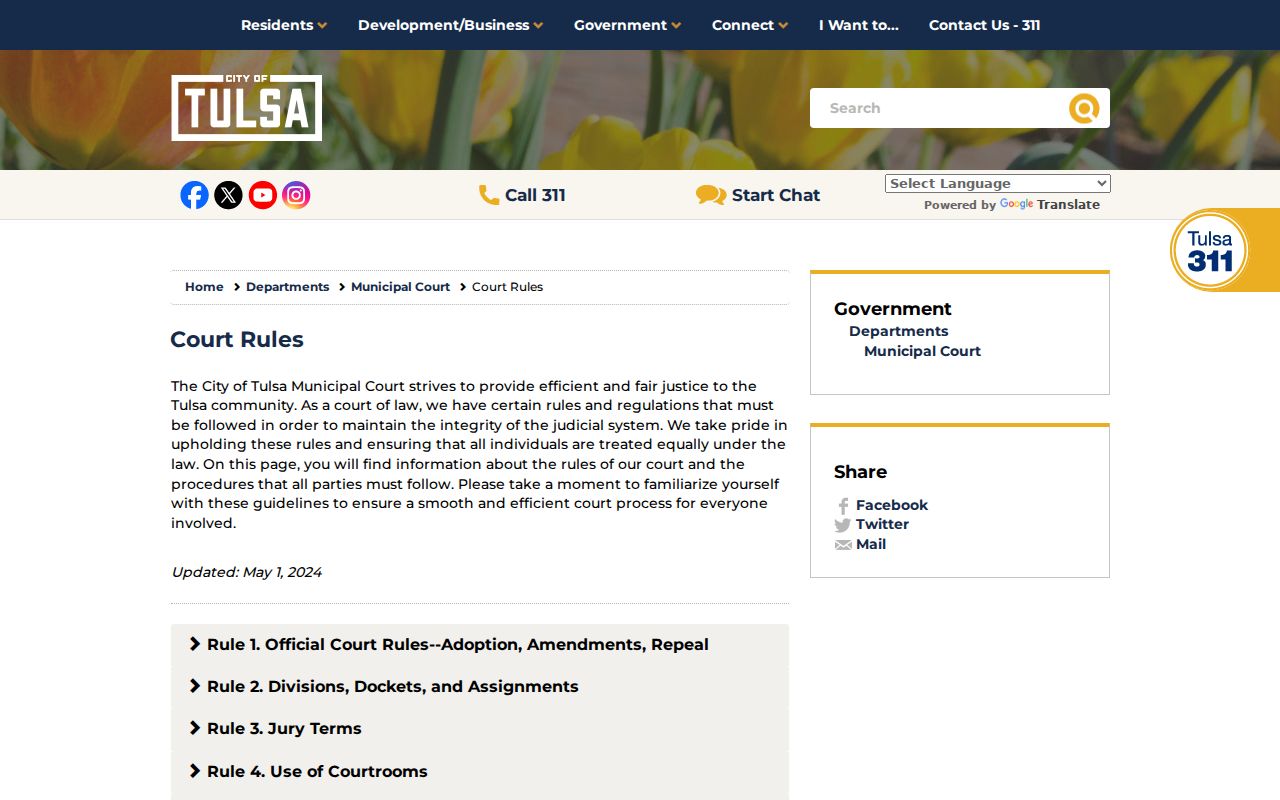
The Tulsa court rules explain the local recall and post-bond distinction.
Clearing a Bench Warrant in Tulsa County
No countywide clearance form or universal bond amount exists for Tulsa County. Ask the issuing court the real questions. Can an attorney file a motion to recall or quash? Is a scheduled add-on available? Must the person post bond before release? A payment receipt is not always a recall order.
Before appearing: Ask the clerk whether the process is active in both the court file and the law-enforcement system, and ask which agency can confirm the update.
Match the fix to the failure. For a cost or fine issue, ask whether payment to the Court Clerk recalls the warrant without incarceration under the rule. For a missed appearance, ask about bond, the next judge docket, and counsel. Keep the next setting once the warrant is recalled.
Which Tulsa County Courts Issue Bench Warrants
Jurisdiction sorts the warrants in Tulsa County. District Court handles felony, state-law misdemeanor, state traffic, family, and child-support matters. Tulsa Municipal Court takes city ordinance, municipal traffic, parking, and local misdemeanor cases. Broken Arrow, Owasso, Bixby, and Jenks run their own municipal courts. Tulsa County has no justice-of-the-peace layer; state matters stay in District Court.
Tulsa County District Court
500 S Denver, Tulsa
918-596-5000
Tulsa Municipal Court
600 Civic Center, Tulsa
918-596-1625
City court clerks
Broken Arrow 918-451-8558, Owasso 918-376-1550, Bixby 918-366-0424, Jenks 918-556-7409
Tulsa County Bench Warrant Payment
Paying money and clearing a warrant are two different acts, and city materials across the county prove it. Tulsa's rules let a failure-to-pay cost warrant be satisfied by payment to the Court Clerk and recalled without incarceration. Bixby draws the line differently, separating its cost route from a nonappearance warrant that requires bond before release. Each rule belongs to its own court. Collinsville, an outside-the-top-five example, warns that an online warrant payment does not automatically clear the active warrant and tells the payer to call the clerk. The lesson holds everywhere in Tulsa County. After any payment, ask the clerk to confirm the warrant's status yourself.
Family and Child-Support Process
Family and child-support cases live in District Court, but they follow their own notice and enforcement path. Under Oklahoma Title 43 materials, a bench warrant can issue after proper notice and a failure to appear in a child-support matter. Notice matters here. Juvenile records carry separate confidentiality limits, and no public portal will reveal protected family or juvenile details, so do not ask one to try. Instead, use the Court Clerk's family or support contact listed in the current court directory, or have an attorney review the order and the notice. A general warrant page cannot tell you whether notice was proper or which motion is open to you; only the Tulsa County court's own docket can.
What the Court Clerk Can Confirm
Call prepared. Have the case or citation number ready, and ask the Tulsa County clerk which court issued the warrant and what the docket shows. Get the trigger and the type: bench, FTA, CAW, probation, or other. Ask whether payment or a judge is required, where bond is posted, and what proof of recall you should keep.
| Case identity | Court, case or citation number, and date. |
|---|---|
| Trigger | Missed date, cost hearing, payment plan, probation, support, or another order. |
| Action | Payment, bond, add-on, reset, motion, or counsel-arranged appearance. |
| Afterward | New court date, order, receipt, and agency update route. |
Call Before a Walk-In
Four Tulsa addresses serve four different jobs. The Tulsa courthouse sits at 500 S Denver, the David L. Moss Criminal Justice Center at 300 N Denver, TCSO headquarters at 6080 E. 66th Street North, and TCSO Public Services at 218 W. 6th Street. None of them is a universal warrant counter. Before you drive anywhere in Tulsa County, call the issuing court or the warrant line first.
Use official channels: TCSO warns that staff do not demand warrant payments by gift card, cryptocurrency, cash app, or telephone.
A Tulsa County warrant can mean being taken into custody on the spot. Counsel can arrange a surrender and explain any holds, bond, and the next setting. Evading service, confronting an officer, or revealing where someone else is hiding only makes things worse.